
What Makes a River Route the Best Way to See Egypt’s Temples
Understanding ancient Egypt is not just about standing in front of stone walls and statues. It is about seeing how geography, belief, and daily life worked together. For centuries, the Nile River shaped where temples were built and how they were used. That is why many historians and travellers who enjoy Ancient mysteries Egypt meditation tour agree that the best way to see Egypt’s temples is by following the river itself. When you explore temples along the Nile, you move through history in the same order as ancient Egyptians did. Educational travel resources such as Nile Cruisess often highlight this historical alignment because it helps readers and learners understand Egypt more clearly, not just see it.
This blog explains why travelling by river offers more profound knowledge, better historical flow, and a clearer understanding of Egypt’s temples.
Why the Best Way to See Egypt’s Temples Starts With the Nile
Ancient Egypt existed because of the Nile. Without it, large cities and temples could not survive.
How the River Influenced Temple Placement
Temples were built close to the river for essential reasons:
- Stone blocks were transported by water
- Priests travelled between temples by boat
- Religious festivals followed the river calendar
What Is the Nile River Temple Route
The temple route is the stretch of the Nile where the highest number of ancient temples were built. Most of these temples lie between Luxor and Aswan.
Major Temples Along the Route
Some of the most well-known temples include:
- Karnak Temple
- Luxor Temple
- Temple of Horus at Edfu
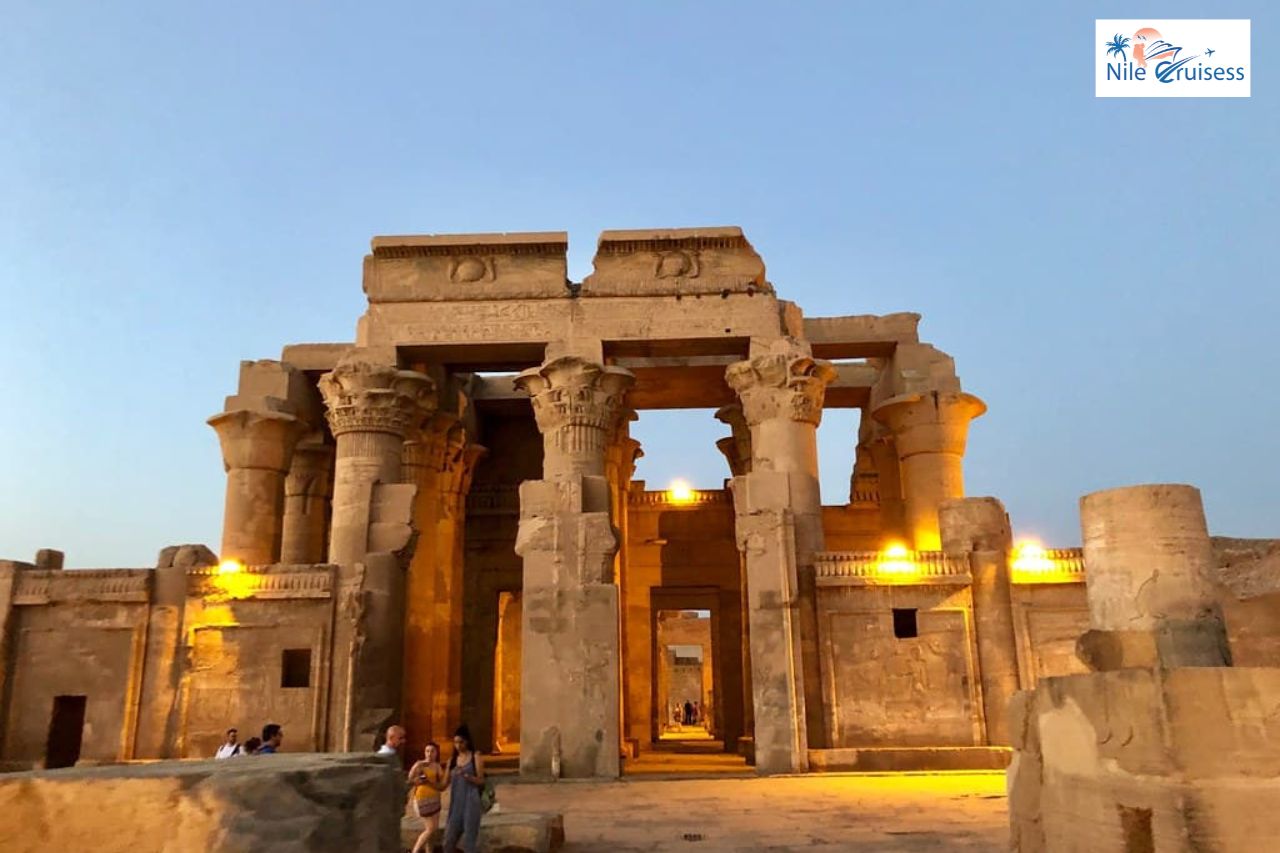
- Kom Ombo Temple
- Philae Temple
Each temple represents a different god, dynasty, or belief.
Why an Egypt Temple Tour by River Makes History Easier to Understand
Visiting temples by road can feel disconnected. You move from place to place without understanding why they exist where they do.
Learning in the Right Order
An Egypt temple tour by river allows you to:
- Follow temples in historical sequence
- See how architecture changed over time
- Understand how religion evolved
Temples Were Designed to Be Approached From the River
Many Egyptian temples face the Nile directly. This was not accidental.
Sacred River Entrances
- Temples had docks for ceremonial boats
- Statues of gods travelled by water during festivals
- Priests arrived by river, not road
Following the temple route today helps modern learners see temples the way ancient Egyptians intended.
Geography Makes the Best Way to See Egypt’s Temples More Practical
Egypt is a long country. Travelling long distances by road can be tiring and confusing.
Why the River Simplifies Exploration
- One continuous path
- No unnecessary detours
- Natural north-to-south movement
Seeing Temples From the Nile Changes Perspective
Approaching temples from the river offers a powerful first impression.
Visual Experience Matters
- Massive stone pylons rising from the riverbank
- Reflections of temples in the water
- Precise alignment with the sun and horizon
Cultural Meaning Becomes Clear Along the Nile River Temple Route
The Nile was sacred to ancient Egyptians.
The River as a Symbol
- The Nile represented life and rebirth
- Annual floods were linked to fertility
- Many gods were connected to water cycles
Travelling the temple route helps readers understand religious beliefs, not just architectural details.
Educational Benefits
River travel encourages slower exploration, which improves understanding.
Why Slow Travel Helps Learning
- More time to absorb information
- Better comparison between temples
- Space for reflection between sites
This makes an Egypt temple tour by river ideal for students, history lovers, and first-time learners.
Why Temples Make More Sense When Seen Together
Each temple served a specific role.
Understanding the Bigger Picture
When temples are seen as part of one route:
- Religious relationships become clear
- Political influence is easier to understand
- Regional differences make sense
How Mythology and Architecture Follow the Nile
Architecture reflected belief.
Examples Along the Nile River Temple Route
- Kom Ombo shows dual worship
- Edfu represents kingship and order
- Philae symbolises rebirth
Modern Learning Through Ancient Paths
Today, historians study context as much as structures.
Educational platforms like Nile Cruisess emphasize this approach by explaining why river-based exploration preserves historical accuracy better than road travel.
Daily Life Along the River Adds Meaning
Temples were part of living communities.
What You Learn Between Temples
- Farming methods
- River trade practices
- Village life
Why Scholars Prefer the Nile River Temple Route
Many Egyptologists recommend river-based study.
Academic Reasons
- Matches ancient travel methods
- Preserves historical sequence
- Supports cultural analysis
This temple route remains the most accurate learning path.
Final Thoughts
Understanding Egypt requires context, patience, and connection.The river provides all three in Spiritual Egypt Tours.
Following the Nile allows readers to understand how temples connected religion, power, and daily life. That is why the best way to see Egypt’s temples continues to be by river. An Egypt temple tour by river offers clarity, continuity, and more profound knowledge.
As highlighted in educational resources by Nile Cruisess, the Nile remains the most authentic guide through Egypt’s sacred past.
FAQs
Why is the best way to see Egypt’s temples considered a river-based journey?
The best way to see Egypt’s temples is river-based because the temples were designed to be accessed from the Nile. Following the Nile River temple route preserves historical order and cultural meaning.
How does the Nile River temple route improve understanding of ancient Egypt?
The Nile River temple route connects temples in sequence, helping learners understand religious development, political changes, and architectural evolution more clearly.
Why is an Egypt temple tour by river better than road travel?
An Egypt temple tour by river reduces travel fatigue and presents history in a connected flow.
Is the Nile River temple route suitable for educational travel?
The Nile River temple route is ideal for educational travel because it provides historical context, clear structure, and cultural depth.