
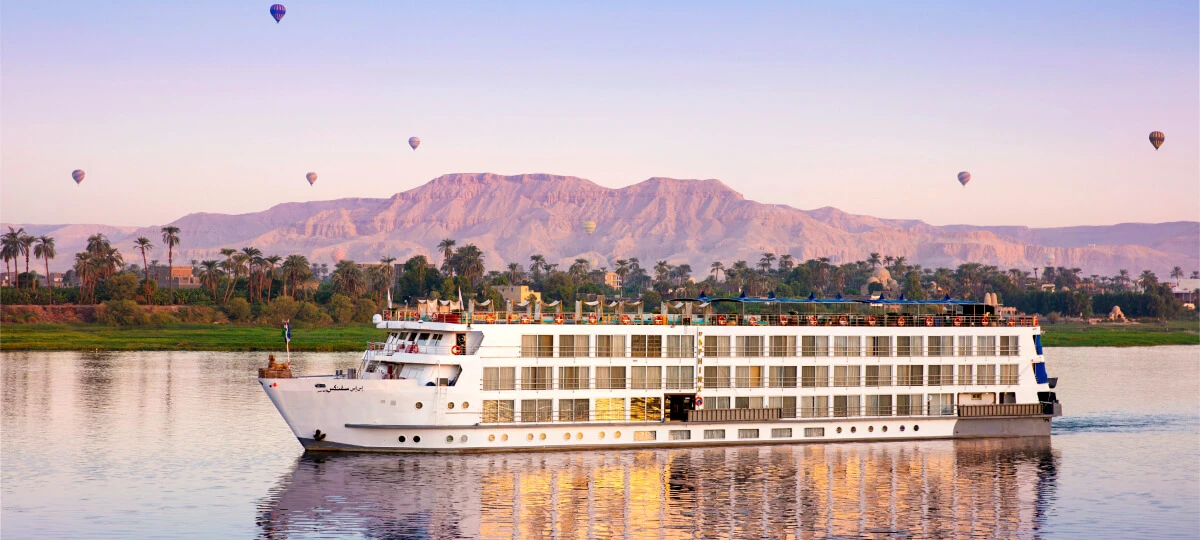
Experience Egypt’s Ancient Wonders On A Luxury 5-Star Nile River Cruise
Objective
This guide explains what it feels like to travel between Luxor and Aswan on a luxury Nile cruise. The goal is to help readers understand the pace, comfort, scenery, and cultural value of the journey. It also shows how a river cruise makes it easier to see major sites such as Karnak Temple, the Valley of the Kings, Philae, and Abu Simbel while still enjoying quiet time on the water. For many travellers, Nile Cruisess are not just about moving from one city to another. They are about seeing Upper Egypt in a slower and more meaningful way.
Key Takeaways
- A cruise between Luxor and Aswan combines historic sites with a slower travel rhythm.
- Luxor gives access to Karnak Temple and the Valley of the Kings, two of the most important ancient sites in Egypt.
- Near Aswan, Philae and Abu Simbel add another layer of history tied to southern Egypt and Nubia.
- The cruise experience is as much about the river as the monuments, with long views of villages, fields, and daily life along the Nile. This is an inference based on the route following the Nile through Upper Egypt and the location of these riverbank sites.
Table Of Contents
- Why The Luxor To Aswan Route Feels Special
- What A Luxury Nile Cruise Feels Like On Board
- Karnak Temple And The Ancient Power Of Luxor
- The Valley Of The Kings And The West Bank
- The Quiet Beauty Of Sailing Through Upper Egypt
- Philae And The Grace Of Aswan
- Abu Simbel And The Deeper Reach Of Ancient Egypt
- Why The Relaxed Pace Matters
- Key Takeaways
- FAQs
Why The Luxor To Aswan Route Feels Special
The journey between Luxor and Aswan follows one of the world’s most historic river corridors. Ancient Thebes, now part of Luxor, includes Karnak, Luxor Temple, and the wide west bank area that holds royal tombs and temple remains. Farther south, the Nubian Monuments from Abu Simbel to Philae form another major World Heritage area. Seeing these places by the river gives the trip a natural flow because the Nile ties the story together from one stop to the next.
What makes this route memorable is the contrast. One part of the day may be spent walking through a massive temple complex. Another part may be spent sitting quietly on deck, watching green riverbanks, palms, small boats, and village life pass by. That balance is a big part of why the cruise feels different from a rushed land itinerary. The river itself becomes part of the experience. This last point is an inference from the setting and route.
What A Luxury Nile Cruise Feels Like On Board
A luxury 5-star Nile cruise is built around comfort and calm. The atmosphere is usually more relaxed than on a large ocean ship. The scale feels smaller and more personal, which suits the landscape. Cabins are often designed to make the most of the river view, and public spaces tend to centre on the simple pleasure of watching the Nile move by. Because the route is scenic and the pace is gentle, even quiet time in a lounge or on a sundeck can feel like part of the journey rather than downtime. This description is based on the typical form of luxury Nile cruising and the nature of the route; it is presented as a general travel observation.
Dining also adds to the rhythm of the trip. Meals break up the day between excursions and sailing hours, and evenings often feel unhurried. After a morning at a major archaeological site, returning to a comfortable cabin, a shaded deck chair, or a spa area can make the history easier to absorb. That slower rhythm matters because these sites are visually rich and emotionally heavy in the best way. A calm setting gives travellers time to take it in.
Karnak Temple And The Ancient Power Of Luxor
Karnak is not a single small temple. It is part of the vast sacred area of ancient Thebes on the east bank of the Nile. UNESCO describes the Thebes property as including the temples of Karnak and Luxor on the east bank and a broad archaeological area on the west bank. That scale is important. Karnak feels less like one monument and more like a city of stone built over many centuries.
For cruise travellers, Karnak often shapes the tone of the entire trip. It introduces the size, ambition, and ceremonial world of ancient Egypt in a very direct way. The columns, gateways, and open courtyards make the site feel powerful even before you know every detail of its history. Visiting early in the journey also helps because it gives context to many of the other places you will see later along the river.
The Valley Of The Kings And The West Bank
Across the Nile from Luxor lies the Valley of the Kings, one of the most famous burial grounds in the world. Britannica describes it as the burial site of almost all the kings of the 18th, 19th, and 20th dynasties, with 62 known tombs. That fact alone explains why the site holds such weight. It is not one tomb. It is a whole royal landscape cut into the hills of Upper Egypt.
The feeling here is different from Karnak. Karnak is open and monumental. The Valley of the Kings is more hidden and inward. It invites a quieter mood. Many travellers find that contrast moving. In one day, you can go from wide temple courts to painted burial chambers made for eternity. That change in mood is part of what makes the Luxor section of the cruise so strong.
The Quiet Beauty Of Sailing Through Upper Egypt
One of the best parts of a Nile cruise is that the travel time itself is enjoyable. You are not only waiting to arrive somewhere. You are already in the experience. The river passes fields, riverbank homes, feluccas, and stretches of desert beyond green farmland. This creates a strong sense of place that connects the ancient sites to the living landscape around them. This description is an inference from the Upper Egypt river environment and the riverside setting of the route.
This is where the luxury part of the trip matters quietly. Comfortable seating, shaded deck areas, river-view cabins, and peaceful lounges let travellers enjoy the scenery without a rush. The soft pace can be especially welcome after active sightseeing in the heat. By the time the ship reaches the next stop, you feel rested rather than worn down.
Philae And The Grace Of Aswan
Near Aswan, Philae adds a different tone to the journey. Britannica identifies Philae as an island site in the Nile in southern Egypt, while UNESCO includes it within the Nubian Monuments from Abu Simbel to Philae. The sanctuary is closely linked with Isis and is one of the best-known temple settings in southern Egypt.
Philae feels elegant rather than overwhelming. Its island setting and river approach give it a softer mood than some of the larger temple complexes farther north. For many travellers, Aswan as a whole feels gentler too. The light seems softer, the river widens, and the pace often feels even calmer. In the middle of the cruise, Nile Cruisess become not only a way to see ancient places, but also a way to feel the regional shift from Luxor’s grand ceremonial world to Aswan’s more peaceful river atmosphere.
Abu Simbel And The Deeper Reach Of Ancient Egypt
Abu Simbel is often one of the most memorable parts of the wider Upper Egypt journey. UNESCO calls the temples of Ramses II at Abu Simbel and the Sanctuary of Isis at Philae the most illustrious of the Nubian Monuments. UNESCO also notes the four colossal statues at the Great Temple, while Britannica records the major rescue and relocation effort that moved the temples to higher ground in the 1960s.
Even for travellers who have already seen major temples in Luxor, Abu Simbel feels different. It is larger in emotional effect than many people expect. The scale, the setting, and the story of its preservation give it a sense of drama that stays with you. It also broadens the trip by showing how far the cultural and political reach of ancient Egypt extended into Nubia.
Why The Relaxed Pace Matters
Egypt’s historic sites can feel overwhelming if they are rushed. A cruise helps by giving each visit breathing room. You see a temple, return to the ship, sit down for a meal, or spend an hour on deck, and let the details settle. That rhythm often leads to a deeper response. Instead of racing through landmarks, you begin to connect them. Luxor’s east and west banks, Philae’s island beauty, and Abu Simbel’s monumental presence start to feel like parts of one long river story.
That is why the route remains so appealing. It combines movement with stillness, major history with small daily scenes on the river, and comfort with discovery. For travellers drawn to culture and atmosphere, Nile Cruisess offer a way to experience Egypt that feels rich without feeling hurried.
FAQs
1. What Major Sites Are Usually Seen Between Luxor And Aswan?
The best-known sites on this route include Karnak Temple and the Valley of the Kings in Luxor, plus Philae near Aswan. Abu Simbel is often included as a southern highlight connected to the Nubian Monuments.
2. Why Is Karnak So Important?
Karnak is part of the ancient Thebes World Heritage property and belongs to one of the largest temple areas in Egypt. It reflects the religious and political importance of ancient Luxor.
3. What Makes The Valley Of The Kings Special?
It was the burial place of nearly all the kings of Egypt’s 18th to 20th dynasties and contains 62 known tombs.
4.Why Do Travellers Often Remember Philae So Strongly?
Philae combines a major temple setting with a distinctive island location in the Nile, which gives the visit a graceful and scenic character.
Why Is Abu Simbel Often Treated As A Signature Experience?
Its colossal temples, its connection to Ramses II, and its dramatic relocation to save it from rising waters make it one of Egypt’s most remarkable historic sites.